Asset Administration Shell (AAS): Building Interoperable Digital Twins Across the Product Lifecycle
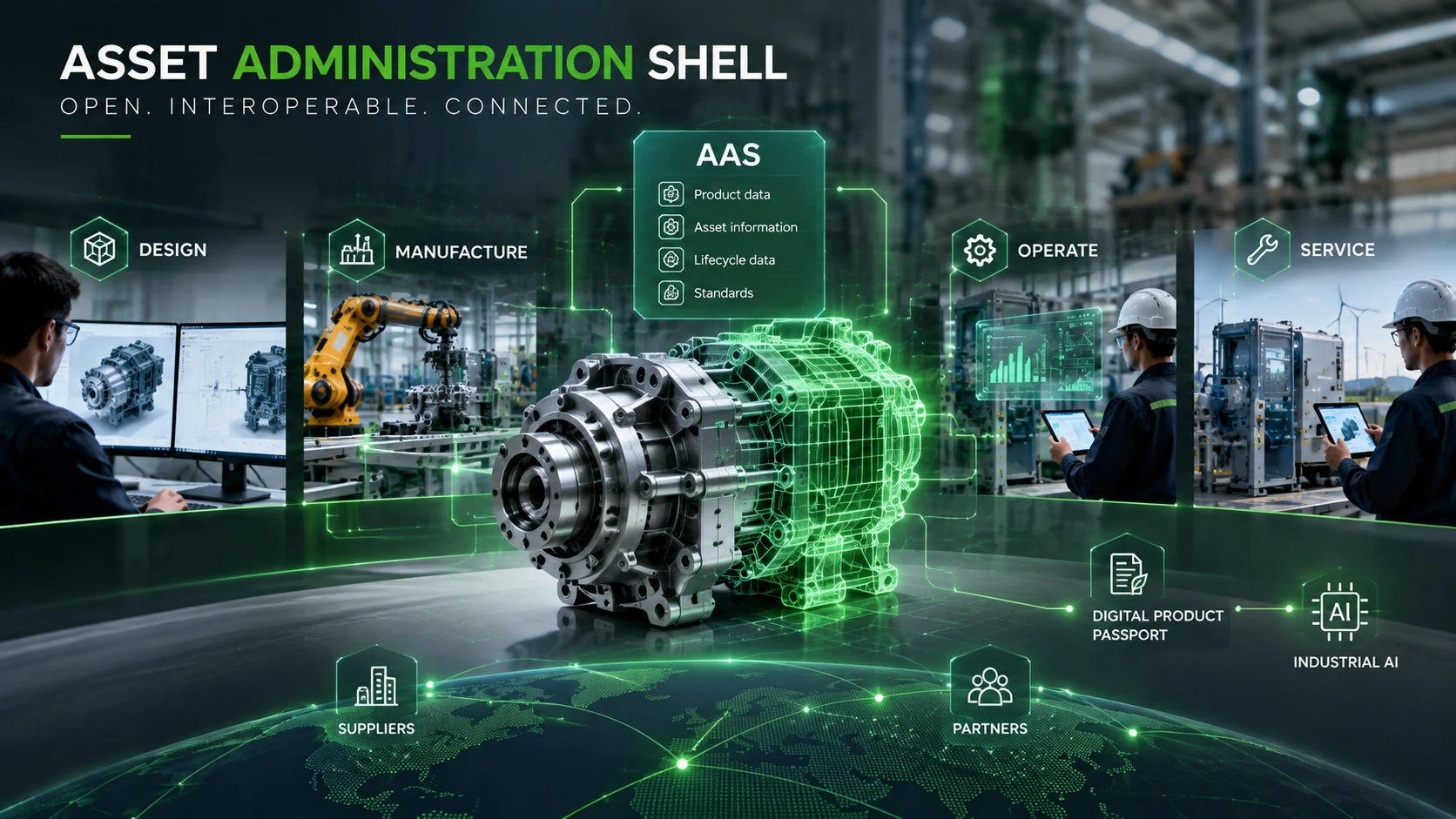
Manufacturers are generating more product and asset data than ever before. The challenge is no longer simply creating data—it is making that information available, understandable, interoperable and usable throughout the entire product lifecycle.
Asset Administration Shell (AAS) provides a standardized digital representation of products, components and industrial assets, enabling information to be exchanged across manufacturers, systems and organizational boundaries.
PTC is supporting AAS and open industry standards as part of its broader Intelligent Product Lifecycle strategy.
 What Is an Asset Administration Shell?
The Asset Administration Shell is a standardized digital representation of an industrial asset.
The asset may be a product, component, machine or other physical object within an industrial environment.
Instead of every system describing product information differently, AAS provides a common framework for structuring and exchanging asset information.
This approach can support interoperable Digital Twins, industrial data spaces, connected supply chains and Digital Product Passports.
Asset Administration Shell and Digital Twins
A Digital Twin represents a physical product or asset in the digital world. Scaling Digital Twins across industrial ecosystems, however, requires structured data and interoperability between different systems.
AAS provides a standardized approach for representing asset information, helping create the foundation required for interoperable industrial Digital Twins.
AAS and the Intelligent Product Lifecycle
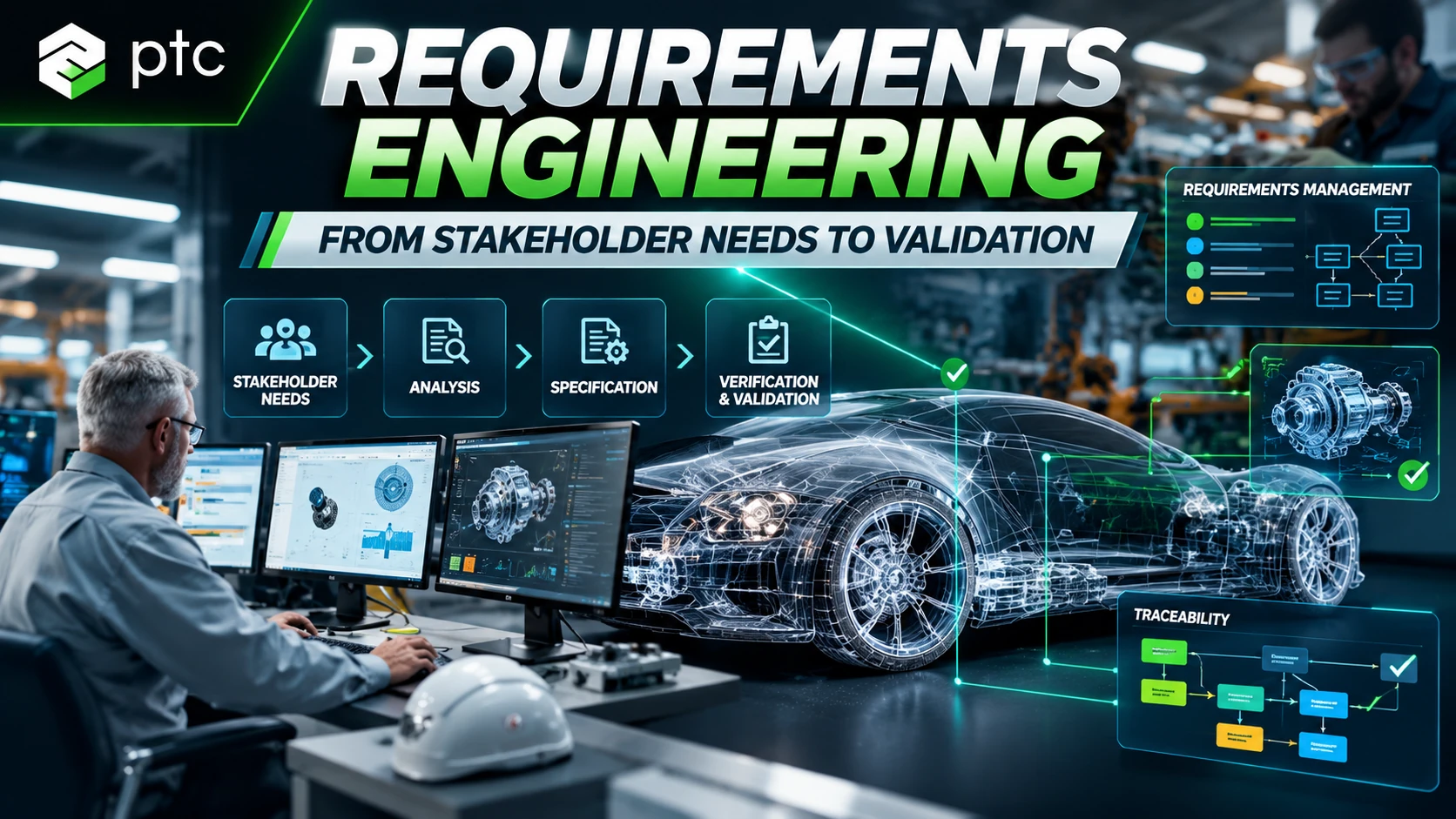
PTC’s Intelligent Product Lifecycle strategy connects product development, manufacturing, operations and service using consistent product and asset data.
Open standards and interoperability are important elements of this approach because product information increasingly needs to move beyond individual departments and company boundaries.
Asset Administration Shell supports this vision by providing a common framework for exchanging information throughout the value chain.
PTC Windchill: The Product Data Foundation
PTC Windchill provides the PLM foundation for managing product structures, Bills of Materials, configurations, engineering documents and product changes.
Within an AAS environment, structured product and engineering information managed in Windchill can provide a foundation for standardized Digital Twins, Digital Product Passports and engineering data exchange throughout the supply chain.
PTC Orbit: Connecting Product Definition and Asset Lifecycle
PTC Orbit connects engineering, operational and service information to improve visibility across the lifecycle of individual assets.
This approach helps connect the original product definition with the actual configuration and usage of an asset in the field.
In an AAS context, it can help integrate as-designed, as-built and as-maintained information across engineering, operations and service.
PTC Jetstream: Product Data Across Organizational Boundaries
Modern product development involves manufacturers, suppliers and partners working across complex value networks.
PTC Jetstream expands opportunities for secure product information exchange between organizations and partners.
Combined with AAS-based data models, this approach can support interoperable value networks, industrial data spaces, supply-chain collaboration and Digital Product Passport scenarios.
Asset Administration Shell and the Digital Product Passport
The Digital Product Passport increases the need for structured and interoperable product information throughout the lifecycle.
AAS can provide an important standardized data foundation for Digital Product Passport use cases by enabling product and asset information to be represented and exchanged consistently.
7 Business Benefits of Asset Administration Shell
1. Standardized Product Data
AAS provides a common structure for representing and exchanging industrial asset information.
2. Greater Interoperability
Standardized information can reduce barriers between different enterprise systems, manufacturers and suppliers.
3. Interoperable Digital Twins
A common data framework provides an important foundation for scaling Digital Twins across industrial environments.
4. Connected Product Lifecycles
Product information can be connected from engineering and manufacturing through operations and service.
5. Digital Product Passport Readiness
AAS can support standardized product information exchange for Digital Product Passport scenarios.
6. Supply Chain Collaboration
Manufacturers and suppliers can exchange information using more consistent data structures.
7. A Stronger Data Foundation for Industrial AI
Structured and connected product information provides a stronger foundation for analytics, automation and future Industrial AI applications.
From PLM to an Intelligent Product Lifecycle
PLM provides the foundation for controlling product data and engineering processes. The Intelligent Product Lifecycle extends this concept by connecting product and asset information across a broader ecosystem.
Windchill can manage the product data foundation while open standards such as AAS can help make that information more interoperable across systems and organizations.
 Preparing Your Product Data for the Future
Manufacturers exploring Digital Twins, Digital Product Passports and Industrial AI should first examine the quality and structure of their product data.
CAD data, BOMs, product configurations, engineering changes and technical documents need to be controlled and connected before advanced lifecycle scenarios can deliver their full value.
A PLM platform such as PTC Windchill can establish this product data foundation and help organizations move toward a more connected product lifecycle.
Learn more about Asset Administration Shell from PTC.
Frequently Asked Questions
What is Asset Administration Shell?
Asset Administration Shell (AAS) is a standardized digital representation of an industrial product, component or asset designed to support interoperable data exchange.
Is AAS the same as a Digital Twin?
Not exactly. AAS provides a standardized framework for representing and exchanging asset information and can therefore serve as an important foundation for interoperable Digital Twins.
Does Asset Administration Shell replace PLM?
No. AAS can complement PLM and other enterprise systems by providing standardized mechanisms for exchanging product and asset information.
How does Windchill support AAS?
Windchill manages structured product information including product structures, BOMs, configurations and engineering changes. This information can provide the data foundation for AAS-related use cases.
Can AAS support Digital Product Passports?
Yes. AAS can provide a standardized and interoperable data foundation for Digital Product Passport use cases.