Licensed NCBrain Software | CNC Program Optimization

Simulate NC programs and optimize feed rates and toolpaths before running them on CNC machines.
REQUEST A SOFTWARE QUOTE →

Licensed NCBrain Software | CNC Program Optimization

Simulate NC programs and optimize feed rates and toolpaths before running them on CNC machines.
REQUEST A SOFTWARE QUOTE →

Optimize NC Data Before CNC Machining

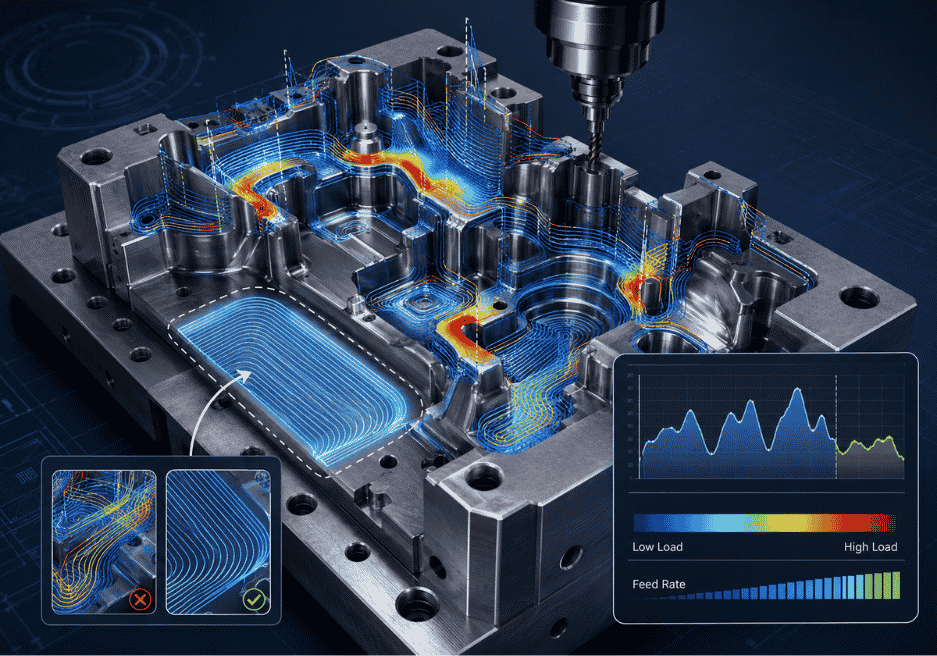
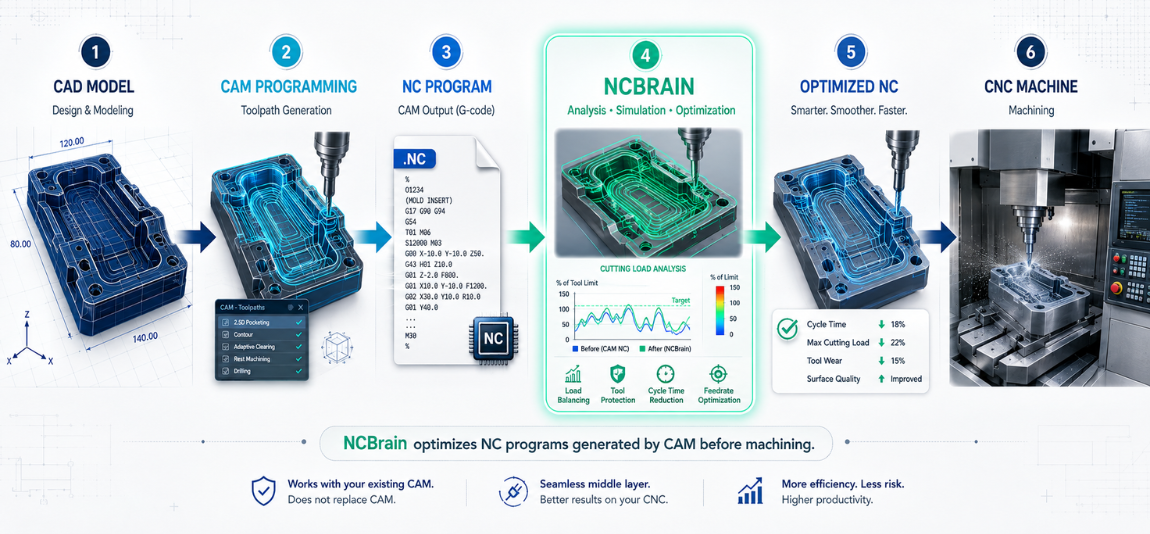
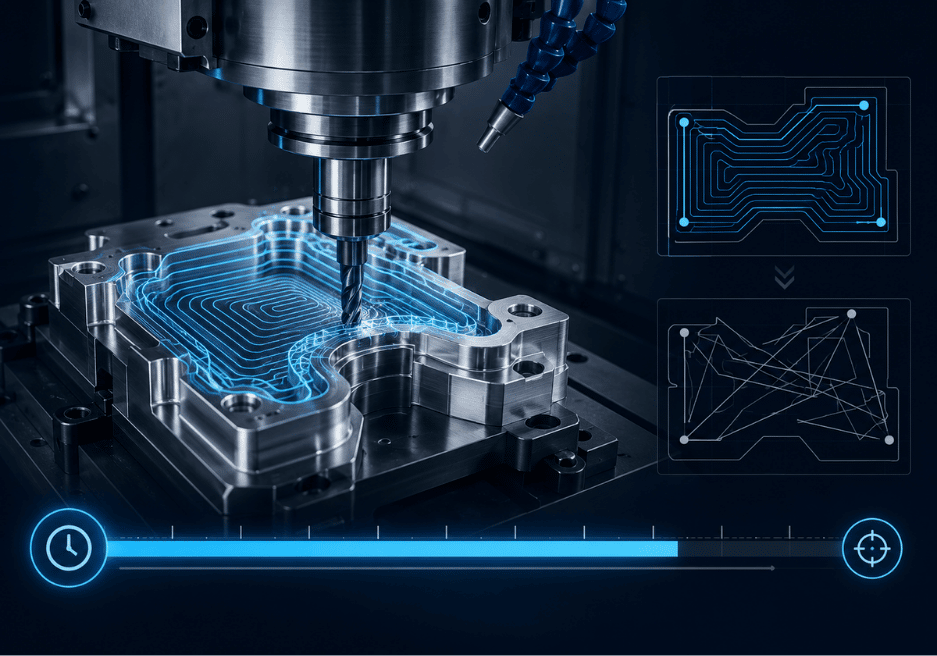
NCBrain is an NC data optimization solution used after CAM programming. The software simulates machining programs, analyzes cutting conditions across different machining regions, and automatically adjusts NC data to improve machining stability and efficiency.

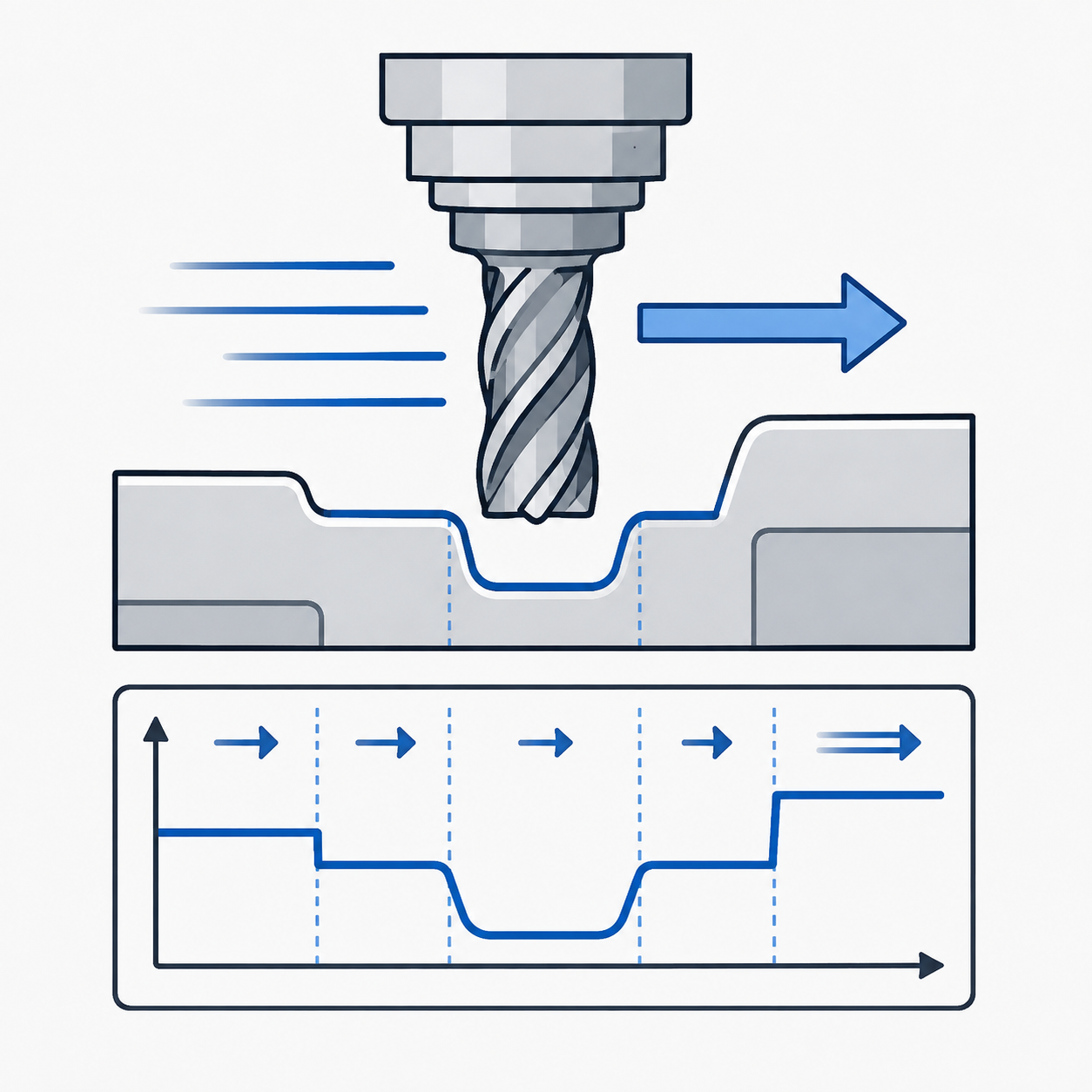
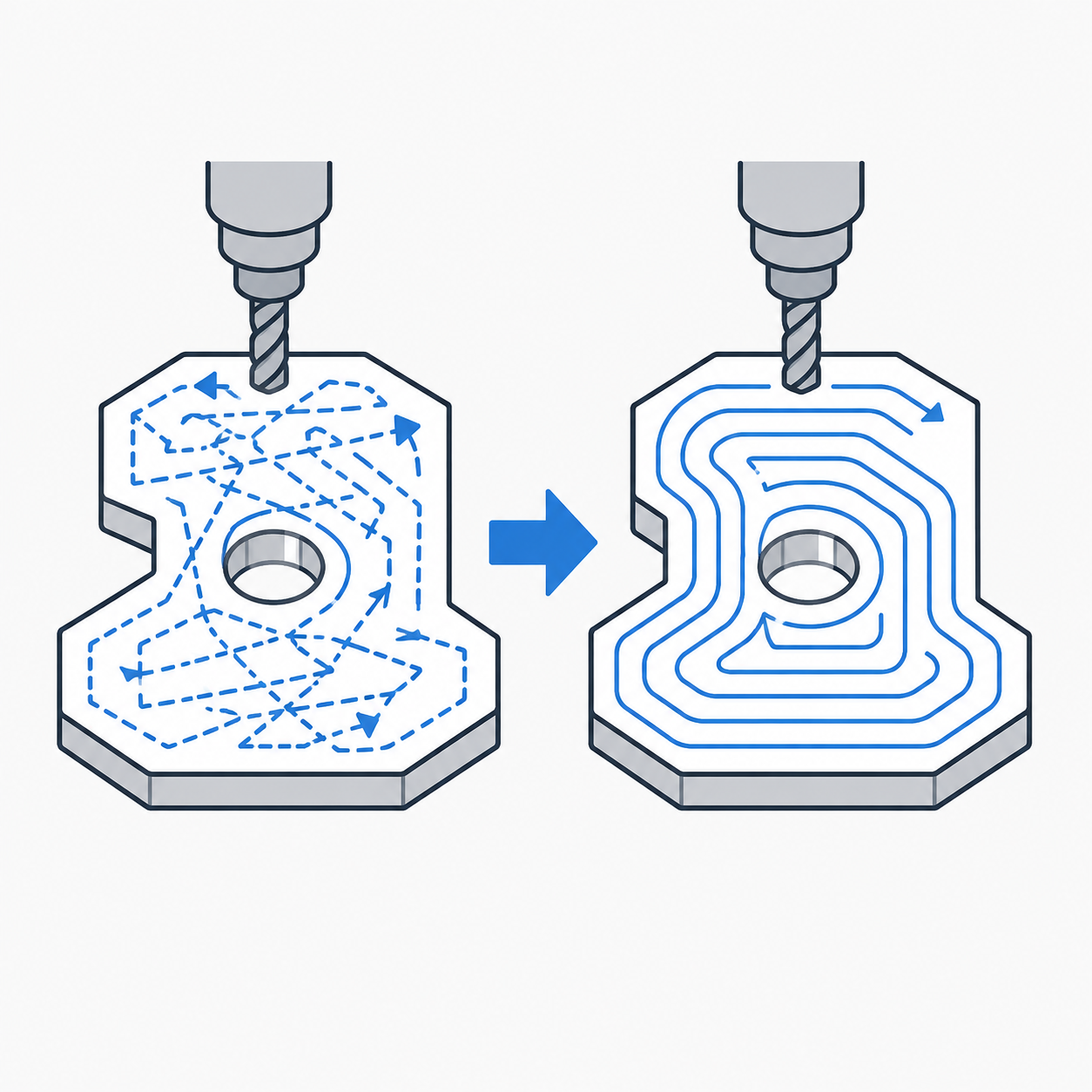
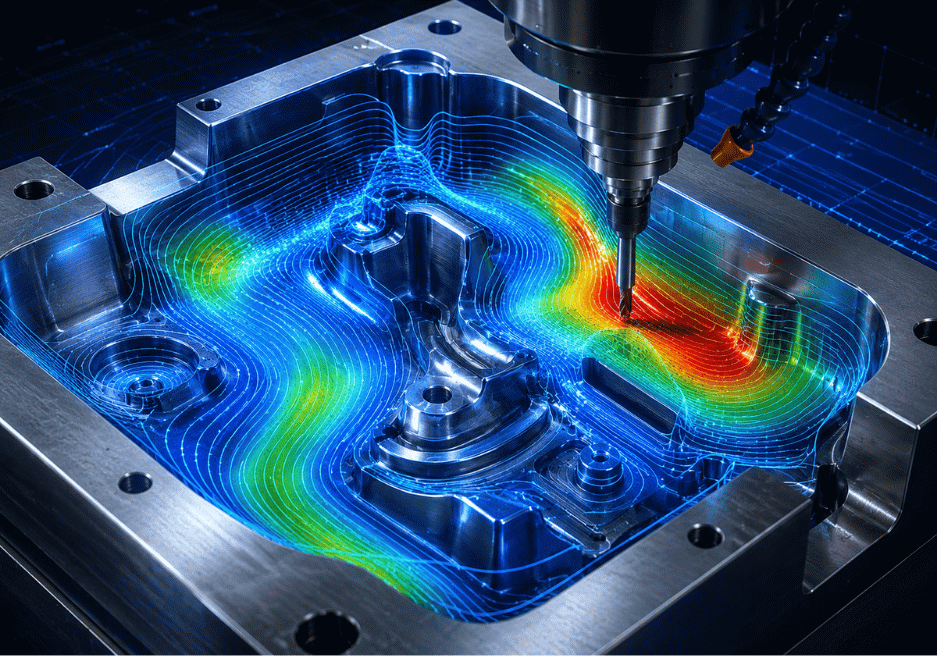
NCBrain can adjust feed rates and spindle speeds based on machining load, reduce unnecessary non-cutting movements, and optimize toolpaths in areas with potential overload conditions.

How Does NCBrain Work?

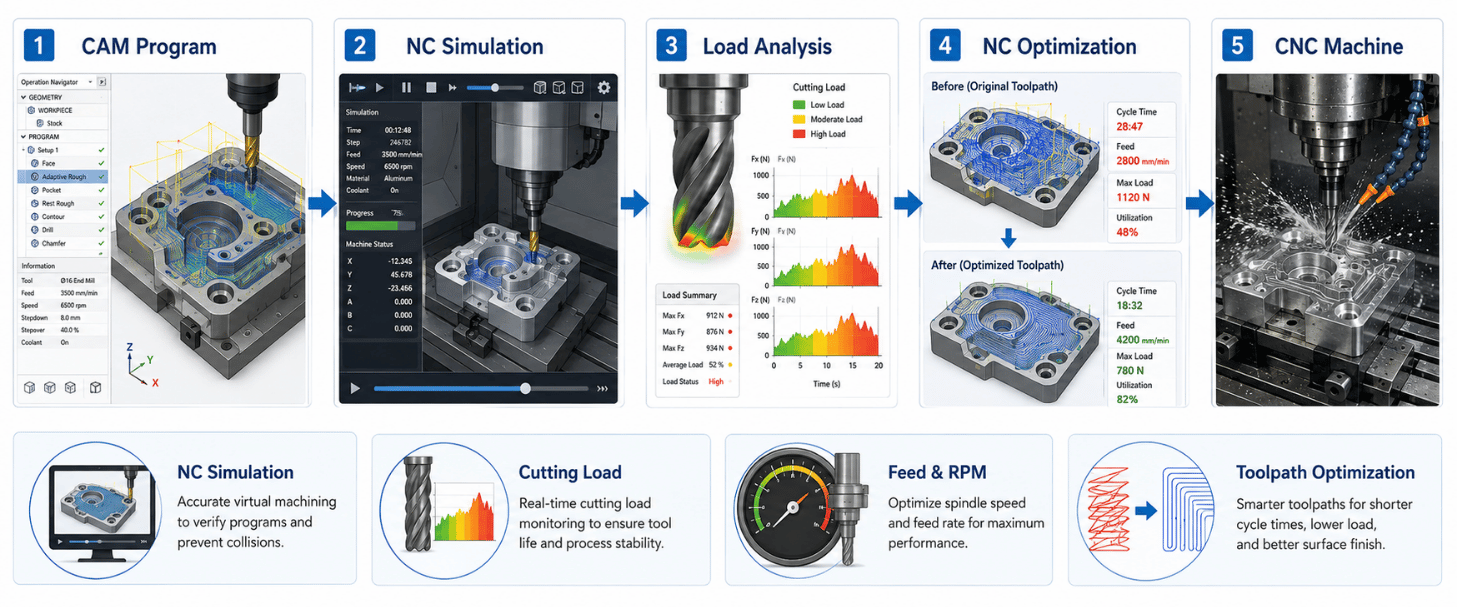
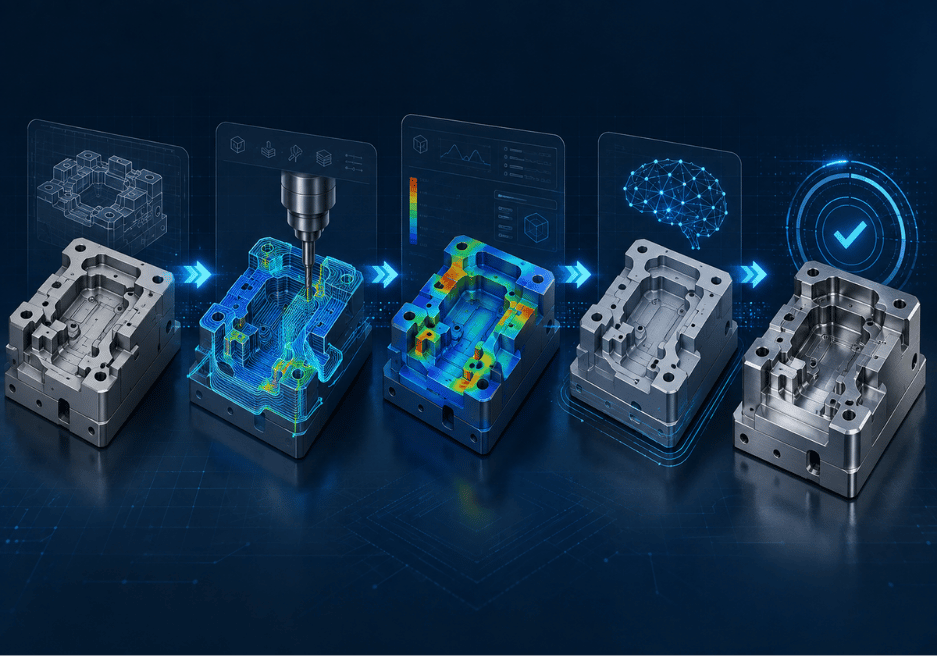
From CAM Programs to Optimized NC Data

Step 1 – Import NC Data

Use the NC program generated by the existing CAM software.

Step 2 – Simulate Machining

Analyze the machine, cutting tools, stock, and cutting load based on actual machining geometry.

Step 3 – Optimize Cutting Conditions

Adjust feed rates, spindle speeds, and machining parameters in areas with varying cutting loads.

Step 4 – Optimize Toolpaths

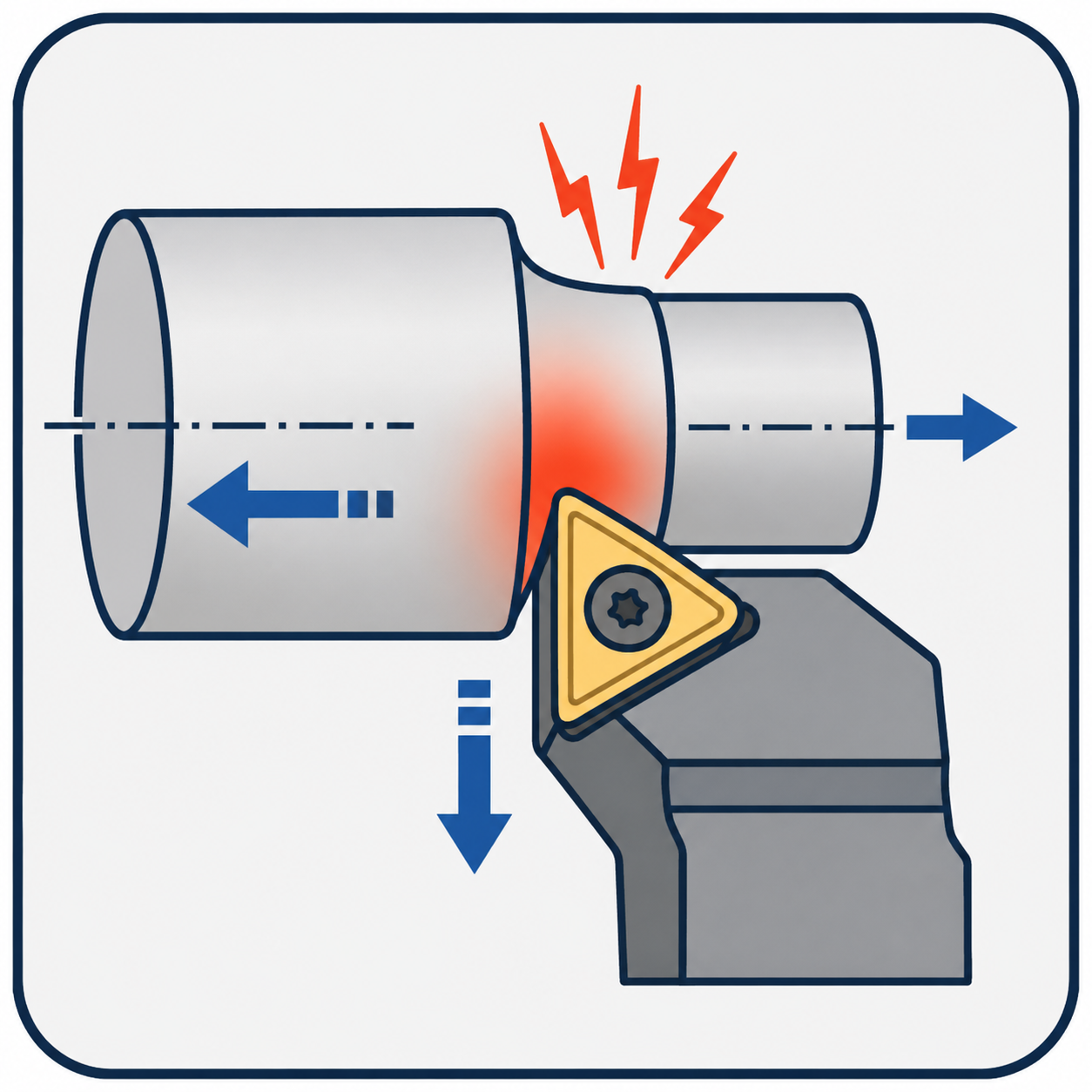
Optimize unnecessary movements and machining regions with potential overload conditions.

Step 5 – Generate Optimized NC Data

Generate optimized NC data ready for transfer to the CNC machine.

This represents NCBrain’s core workflow:

NCBrain Solutions Provided by CADCAM Software

From optimizing existing NC programs to automating toolpath generation and verification, manufacturers can select the appropriate solution based on their desired level of manufacturing automation.

NCBrain H3

A solution for NC simulation and optimization, supporting control of feed rates, spindle speeds, cutting loads, and toolpaths based on actual machining conditions.
NCBrain AICAM

A solution that automates toolpath generation, machining simulation, NC data optimization, and machining-region verification based on 3D models.
Core NC Optimization Capabilities

Feed Rate Optimization

Spindle Control

Overload Management

Non-Cutting Motion Reduction

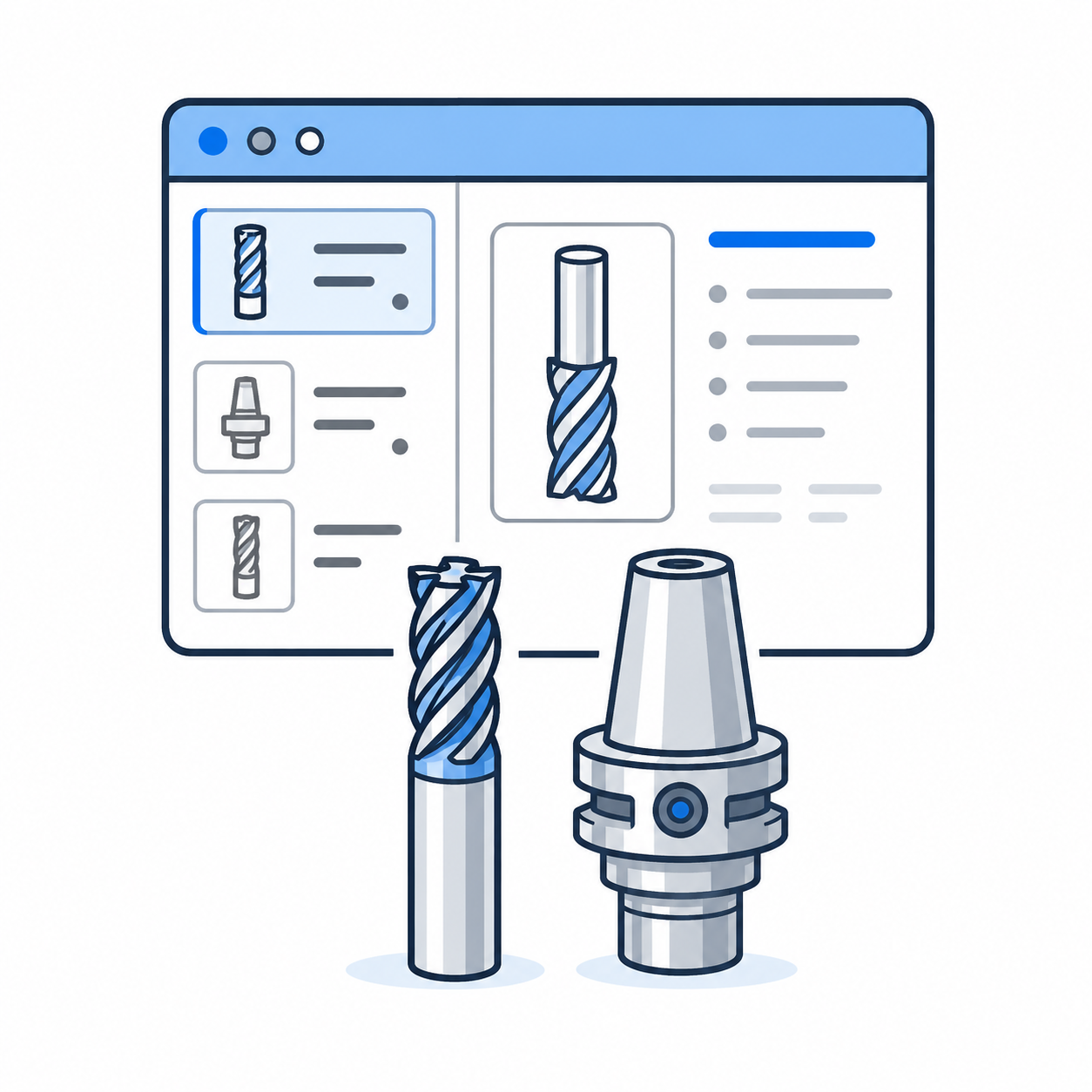
Tool Management

Machining Time Prediction

Where Does NCBrain Fit into the CNC Machining Workflow?

When Should Manufacturers Use NCBrain?

Complex Mold & Die Machining

Suitable for machining processes with varying cutting loads and long machining cycles.
Large Volumes of NC Programs

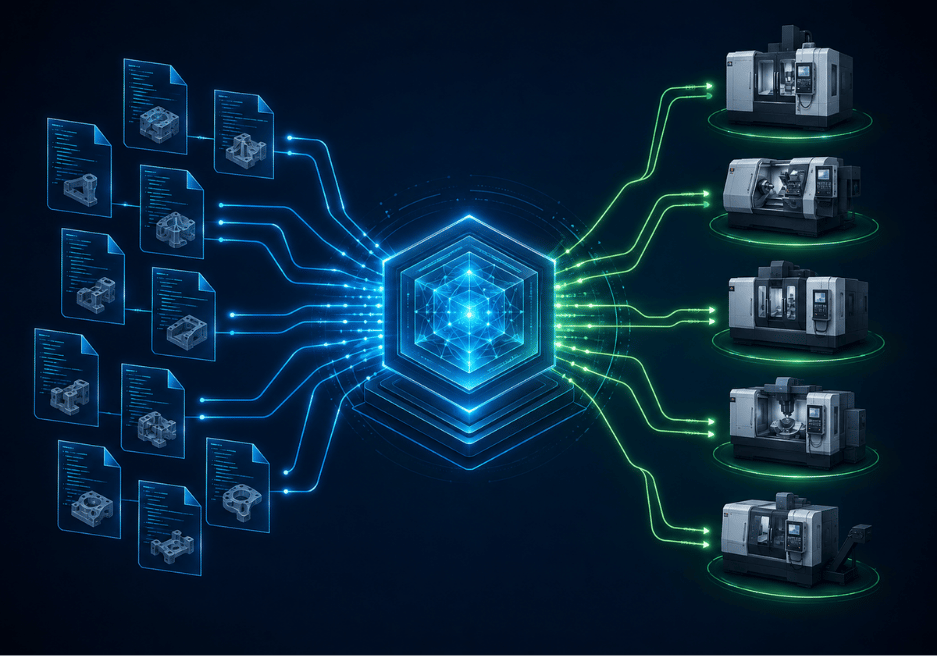
Suitable for manufacturers that need to standardize and optimize NC programs before transferring them to CNC machines.
Improve Machine Utilization

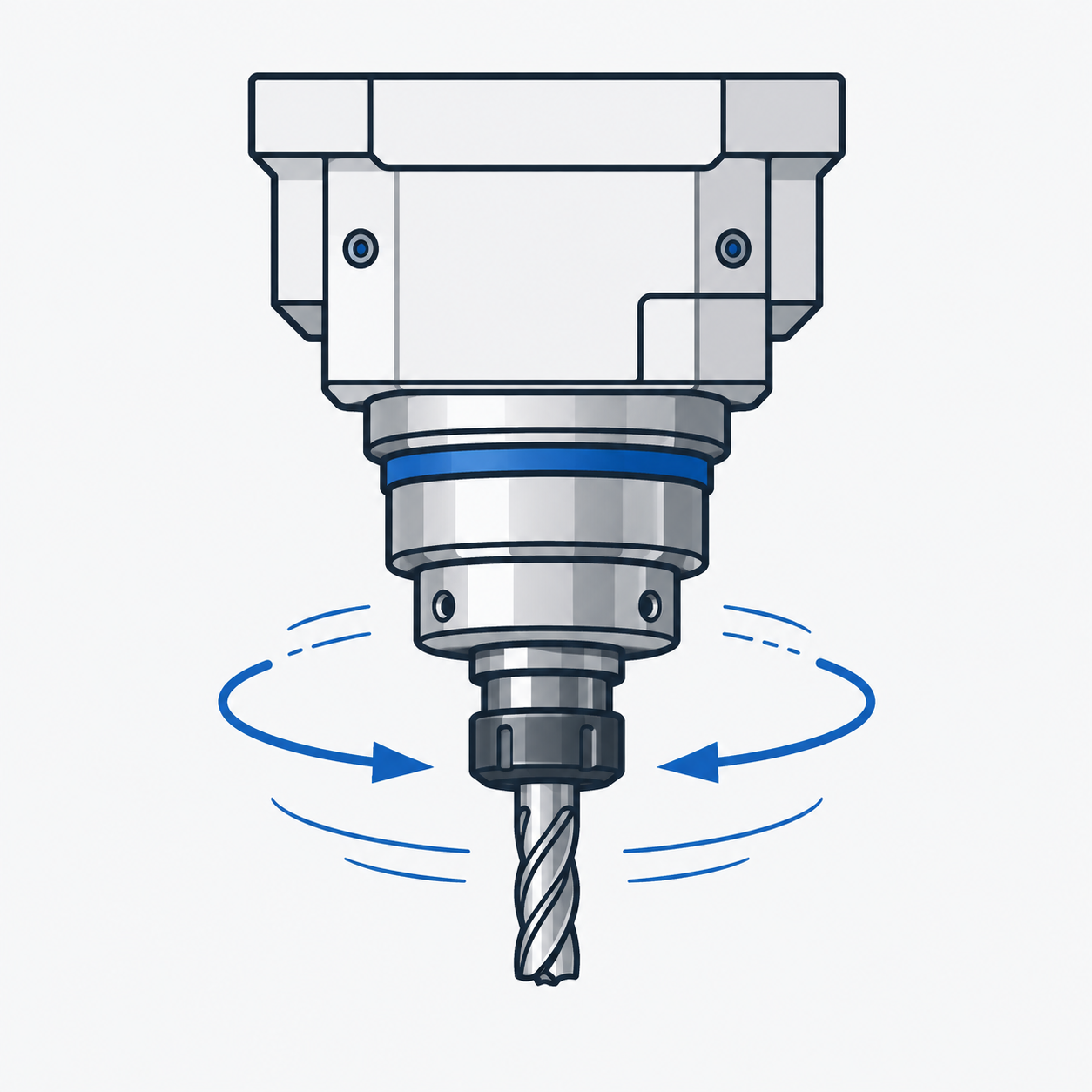
Supports more stable machining while reducing non-value-added machine movements.

CAM Automation

Suitable for manufacturers seeking to reduce manual programming tasks and standardize CAM workflows with NCBrain AICAM.

Benefits for Manufacturers

The Value of NCBrain in CNC Machining

Reduce Machining Time

Optimize cutting conditions and reduce unnecessary machine movements.

Reduce Cutting Tool Risks

Manage areas with high cutting loads and provide relevant tool information to support more stable machining.

Improve Machine Utilization

Reduce non-cutting time and support more efficient CNC program execution.

Standardize Machining Conditions

Use databases for machines, cutting tools, and cutting conditions instead of relying entirely on individual operator experience.

Support CAM Automation

NCBrain AICAM extends the workflow from 3D models to CAM generation, simulation, optimization, and verification.

Which Industries Are Suitable for NCBrain?

Request a Consultation & Software Quote

(FAQ)

NCBrain primarily focuses on simulating and optimizing NC data generated by CAM software, rather than replacing the entire traditional CAM programming process.

Yes. NCBrain can adjust feed rates according to the machining load in different cutting regions.

NCBrain primarily focuses on NC data simulation and optimization.

NCBrain AICAM extends these capabilities by automating toolpath generation from 3D models, simulation, NC optimization, and over-cut/less-cut verification.

generation from 3D models, simulation, NC optimization, and over-cut/less-cut verification.